Single Tooth SVG I Review
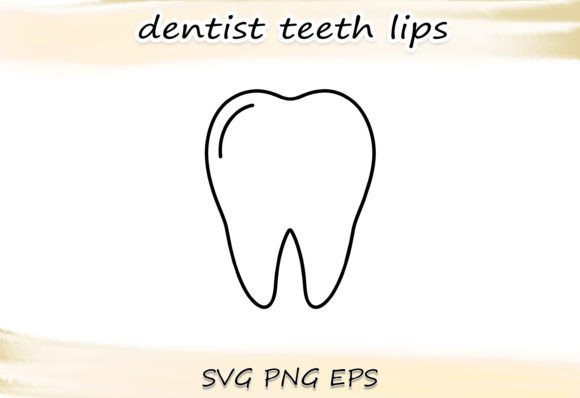
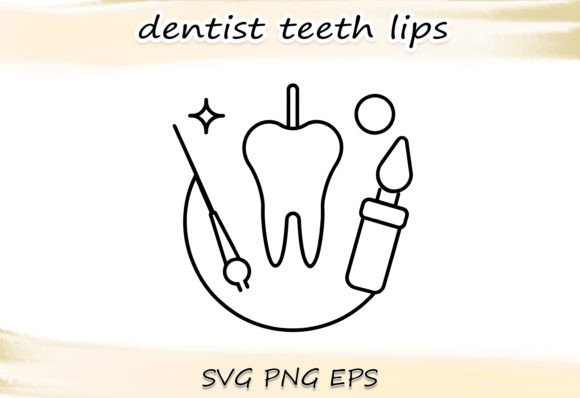
As a designer who’s worked with countless embroidery files, I always start by evaluating the visual impact and practicality of a design before using it in real projects. Single Tooth SVG I caught my attention for its clean, detailed approach to a dental-themed illustration. It’s not just a generic tooth graphic—it has a realistic feel that could work well in a variety of creative applications.
The First Impression
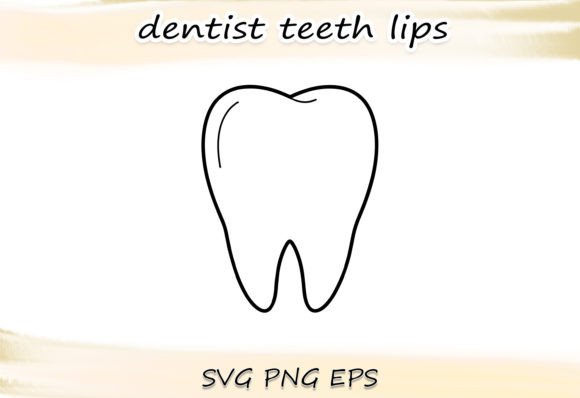
From the moment I opened Single Tooth SVG I, I noticed the level of detail in the shape and structure. The design feels intentional, with clear lines and subtle shading that give it a professional look. It’s not overly complicated, which is a good sign for versatility. The layout is straightforward, making it easy to integrate into different projects without needing major adjustments.
This design would naturally fit into custom apparel, especially items like t-shirts, sweatshirts, or tote bags. It also has potential for baby clothes, where a simple but recognizable image can add a personal touch. The realism makes it suitable for dental-related products, such as posters or infographics, but it’s not limited to that niche.
Real-World Embroidery Performance
I tested Single Tooth SVG I on several fabrics to see how it performed in actual stitching. On medium-weight cotton, it came out cleanly with a good balance of detail and clarity. The stitch density was appropriate, and the design didn’t require excessive stabilizer or thread color adjustments. However, I did notice that on thin or stretchy fabrics, the details could get lost or distorted if not handled carefully.
For small hoop sizes, this design might be a challenge. The level of detail could require more precision than a compact hoop allows. If you’re working on a patch or a small item, you might need to adjust the size or simplify the design slightly to maintain quality.
On dark fabrics, the contrast was good, but I recommend testing with your chosen thread colors to ensure visibility. For light fabrics, the same applies—make sure the thread color complements the background. This is especially important if you're planning to sell the finished product as a handmade item or digital asset.
Where to Use It Carefully
While Single Tooth SVG I is versatile, there are some situations where caution is needed. If you're working with textured fabrics, like denim or canvas, the design may not sit as smoothly as it would on a flat surface. Similarly, on stretchy materials, the stitching could pucker or lose definition over time.
For curved surfaces like caps or hats, the design may need slight modifications to fit properly. Tiny lettering or intricate corners could be difficult to execute, so it’s best to test on a scrap fabric first. If you're planning to use it as a decorative accent, consider how it will interact with other elements in the overall design.
When used in dense stitch areas, the design might appear too busy or cluttered. It’s best suited for standalone pieces rather than layered embroidery. If you're creating a printable mockup or digital product preview, make sure the file is optimized for clarity and scalability.
Impact on Visual Appeal and Customer Perception
Single Tooth SVG I adds a professional touch to any project it’s used in. Its realistic look can elevate a handmade product, making it more appealing to customers looking for unique, high-quality items. For an Etsy seller or small shop owner, this design could be a valuable addition to your collection of embroidery files.
When used in custom apparel or personalized gifts, it can enhance the perceived value of the finished product. Customers often appreciate designs that are both functional and visually striking. A well-executed embroidery project can build trust and encourage repeat business.
For commercial embroidery projects, this design offers a clean, recognizable image that can be used across different merchandise. Whether you're creating a holiday gift, a boutique product, or a craft fair item, Single Tooth SVG I can help maintain brand consistency and professionalism.
Practical Designer Notes
Before finalizing any project with Single Tooth SVG I, I recommend doing a few key tests. First, try it on scrap fabric to see how the stitches look in real life. Check the thread color contrast against your chosen fabric to ensure visibility. Review the stitch density to make sure it’s suitable for your project’s needs.
Confirm the hoop size required for your machine. If the design is too large for your current setup, you may need to scale it down or split it into sections. Inspect small details closely—sometimes what looks good on screen doesn’t translate perfectly to fabric.
Test the design in black and white mockups to see how it appears without color. Compare it against both light and dark fabric backgrounds to ensure it works in different settings. Use the proper stabilizer for your fabric type, and check whether the design is suitable for both personal and commercial use.
If you plan to sell finished items or digital products, make sure you understand the licensing terms. Always confirm that the design is compatible with your workflow and that it meets your quality standards before adding it to your inventory.
Final Thoughts
Single Tooth SVG I is a solid choice for designers looking for a realistic, detailed embroidery file that can be used in a variety of applications. Its clean layout and visual appeal make it suitable for custom apparel, baby items, holiday gifts, and more. With proper testing and care, it can be a valuable addition to any craft business or embroidery project.
Whether you're an experienced embroiderer or just starting out, this design offers a practical and professional option for your next handmade product or digital asset. Just remember to take the time to test it thoroughly and make any necessary adjustments before finalizing your work.