Emotion Girl Illustration: A Designer’s Honest Take
As an experienced embroidery designer and product reviewer, I always look for designs that not only stand out visually but also perform reliably in real-world stitching scenarios. Emotion Girl Illustration caught my eye with its thematic promise — a blend of expressive characters and emotion-based elements that could bring personality to any project. Let me walk you through how it fits into actual embroidery work, what to watch out for, and where it truly shines.
First Impressions: Mood and Visual Personality
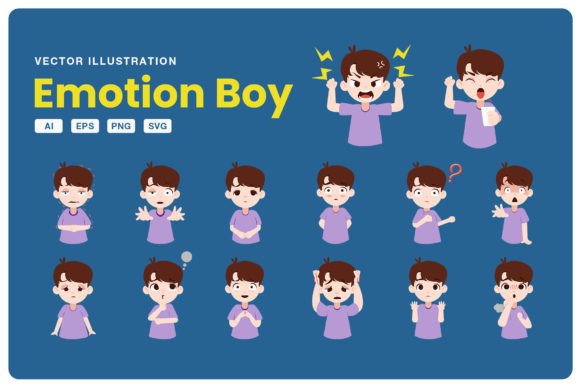
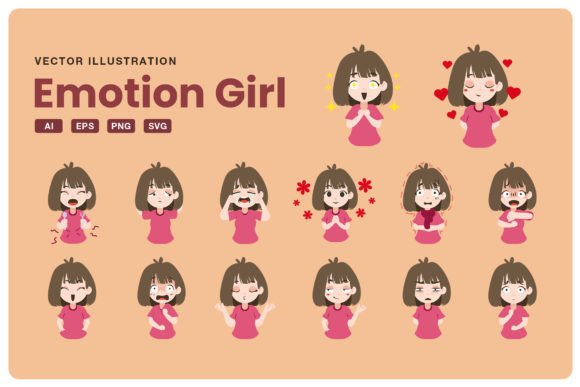
The Emotion Girl Illustration immediately conveys warmth and relatability. It features a stylized girl figure paired with subtle expression elements like hearts, stars, or abstract lines that represent different moods. The layout is balanced yet playful, which makes it versatile enough to suit both casual and more polished handmade products. Its level of detail isn’t overwhelming, but just enough to create a sense of depth and character.
I found the design's visual tone to be soft and inviting — perfect for projects targeting emotional resonance, such as personalized gifts or boutique branding. The shape and composition suggest it works well when centered on a piece of fabric, making it ideal for items like sweatshirts, tote bags, or even nursery decor. However, if you're planning to stitch this onto something small or curved, like a cap or patch, you’ll need to adjust your expectations.
What Embroidery Projects Does It Belong To?
- Custom Apparel: Sweatshirts and t-shirts are natural fits for Emotion Girl Illustration due to their larger surface area and common use in personalization.
- Tote Bags: The design adds charm and storytelling potential to reusable bags, especially if you're selling them as eco-friendly or gift options.
- Baby Clothes & Nursery Decor: The gentle aesthetic aligns well with pastel tones and soft fabrics, often used in baby-related items.
- Aprons and Pillow Covers: These household items benefit from a design that feels both artistic and approachable.
- Holiday Gifts: Whether it's a Christmas ornament or a birthday gift, the emotional theme can make the item feel more thoughtful and unique.
Real-World Performance: Stitching Clarity and Fabric Considerations
One of the first things I tested was how Emotion Girl Illustration translates from digital file to stitched result. Since the design is part of a broader set of illustrations and graphics, it's clear that it wasn't specifically optimized for all embroidery applications. That said, it performs admirably when applied correctly.
On mid-weight cotton blends, the illustration maintains clarity and definition. The facial expressions and flowing lines of the character remain smooth and recognizable, even after washing (if properly stabilized). But on stretchy or thin fabrics, I noticed some distortion in the outlines, especially around the finer details of the eyes and hair. This is a common issue with many digital illustrations when adapted for embroidery without specific tweaking.
Where to Use It Carefully
- Small Hoop Sizes: While the overall size is flexible, shrinking the design too much can cause important details to disappear or become distorted.
- Textured Fabrics: If you’re working with flannel, denim, or felt, the texture may affect how the stitches lay flat and how colors appear.
- Dark Fabric Backgrounds: The default thread color palette is light and pastel, so consider adjusting the colors if you plan to stitch on darker materials.
- Curved Surfaces: Items like caps or patches require careful placement and possibly resizing to maintain proportion and legibility.
- Frequent Washing: As with any embroidered item that sees regular use, ensure you're using appropriate stabilizers and thread to avoid fraying or puckering over time.
Design Notes for Maximum Impact
To get the most out of Emotion Girl Illustration, here are a few practical tips based on my experience:
- Test on Scrap Fabric First: Especially if you’re planning to use it on a new material or for a commercial batch. Always check how the stitches react before committing to a full run.
- Check Thread Color Contrast: If the design includes subtle shading or line work, ensure that your chosen thread colors pop against the fabric background.
- Review Stitch Density: Dense areas like facial contours or detailed backgrounds might need lighter stabilizer to prevent stiffness or bubbling.
- Confirm Hoop Size: If the design doesn’t specify recommended hoop sizes, test it across a few to see how it scales and holds up.
- Inspect Small Details: Some parts of the design are quite delicate. Make sure your machine settings are fine-tuned to preserve those nuances.
- Use Black and White Mockups: Before finalizing your design, try viewing it in grayscale to ensure it still reads clearly and remains emotionally engaging without color.
- Compare Light and Dark Backgrounds: This will help you understand how versatile the design is and whether you’ll need to tweak colors for different uses.
- Use Proper Stabilizer: A medium-weight tear-away or wash-away stabilizer works best for maintaining the integrity of the design, particularly on stretchy or delicate fabrics.
- Verify Licensing: If you're planning to sell finished products or include it in digital design assets, confirm the licensing terms to avoid any legal issues down the road.
Visual Appeal Meets Practicality
Embroidery isn’t just about technical accuracy — it's also about how the finished product looks and feels. Emotion Girl Illustration brings a human touch to your creations, making it a strong choice for anything aimed at children, young adults, or customers looking for meaningful gifts. The emotional nuance of the design helps elevate the product value and creates a stronger connection with buyers.
However, because it’s designed more for digital use than traditional embroidery, there are limitations. The stitch clarity on intricate sections may require adjustment, and the overall style leans toward whimsical rather than minimalist. For handmade products and personalized gifts, this is a strength. For more formal or corporate-style embroidery, it may not be the best fit unless softened or scaled appropriately.
Impact on Branding and Sales
If you're an Etsy seller or craft business owner, this design can add a distinctive flair to your listings. It supports brand consistency by offering a recurring visual motif that ties together your product range. Customers tend to respond well to expressive, hand-stitched elements — they perceive higher professionalism and giftability.
When used in printable mockups or digital product previews, the illustration retains its quality and can serve as a strong visual anchor for your online shop. Just remember that for commercial embroidery projects, you’ll want to verify that the design is scalable and adaptable across various applications.
Final Thoughts for Creative Entrepreneurs
Emotion Girl Illustration is a solid addition to your embroidery toolkit — especially if you're creating sweatshirt embroidery, tote bag designs, or holiday embroidery items. It brings emotional storytelling to your handmade product offerings and helps differentiate your small shop product lineup in a crowded market.
But as with any machine embroidery design, don’t take it straight from the embroidery file to the hoop without testing. Adjustments to thread colors, stitch density, and hoop size are essential for ensuring that the final result meets your standards and customer expectations.
Overall, I’d say this illustration is best suited for applique design projects, custom apparel, and decorative accents where the mood and personality of the design matter more than ultra-fine detail. It’s not a one-size-fits-all solution, but with a little attention to detail and application context, it can significantly enhance your embroidery project outcomes and buyer engagement.